
Listening with the Intent to Understand
God gave us two ears and one mouth for a reason.
One of my favorite sayings, these wise words became the inspiration for a recent gathering of agricultural communicators in California.
The California Agricultural Communicators Coalition held its first meeting since 2019 in conjunction with the 2026 Agri-Pulse Food and Ag Issues Summit, June 1-2, in Sacramento. The informal coalition has convened off and on over the past 20 years to cuss and discuss the challenges facing California agriculture. While some things have changed, many have remained the same: Water and labor availability, farms vs. fish, and the cost of farming in the most regulated state in the nation top the list.
This time, however, we spent more time listening to other perspectives than complaining.
We listened to Cameron Batten, global chief communications officer for CNH, who had a different point of view on the challenge of farming in California.
“California is such an important state, an ag powerhouse on the forefront of issues,” Batten said. “You have the best opportunity to close the gap on how the public perceives agriculture.”
What a great reminder that with every challenge there is opportunity.
“Ag is very complex. You must break down the complex story to make it consumable,” continued Batten. “Don’t dumb it down; break it down.”
Sounds easy, but I don’t want to sound like Pollyanna. As we heard from Terrain’s Matt Woolf at the Food and Ag Issues Summit the next day, California ranks first in the nation in the number of regulatory codes, with more than 420,000 total regulatory restrictions (New York is a distant second with approximately 300,000 codes and Idaho has the fewest at just over 31,000).
This presents serious challenges for California agriculture. So, where are the opportunities?
For ideas, we turned to a panel representing a variety of viewpoints. This was not your typical ag conference panel. Titled “Listening with the Intent to Understand,” the panel included representatives from Sustainable Conservation, Clean Water Action, California Trout and the California Farmworker Foundation who shared their thoughts on how agriculture and other special interest groups can work together for the common good.
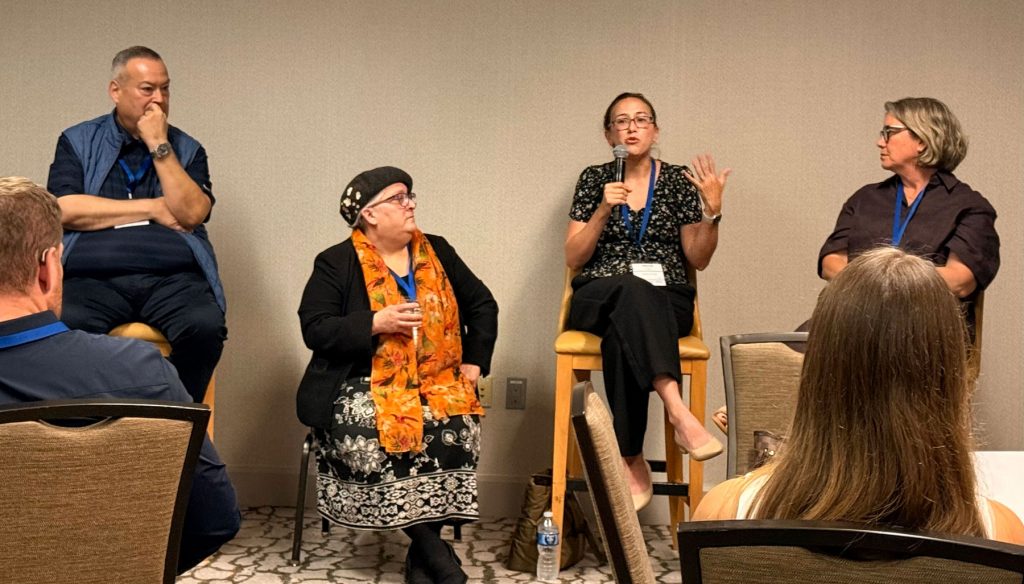
Moderator Josette Lewis, CEO of Sustainable Conservation, asked the panel for examples of where ag has shown up well.
Jennifer Clary, the California state director of Clean Water Action, pointed to passage of the Safe and Affordable Drinking Water Fund in 2019, the result of a historic, multi-year coalition that united traditionally opposing groups: ag associations and environmental justice advocates.
“When we first sat around a table to talk, there was a lot of angst,” Clary said. “We both had our positions. But, over time, we came together and agriculture was a strong partner in bringing clean drinking water to 1 million people.”
Cal Trout’s Analise Rivero highlighted the Nigiri Project. Called a “sushi-like marriage of fish and rice,” the Nigiri Project is a pioneering, science-based conservation effort that brings farm and fish advocates together to maintain working ag lands in the California Delta while providing vital habitat for fish and migratory birds. Flooded idle rice fields provide shelter and food for baby salmon, increasing their survival rate when migrating to the Pacific Ocean. It’s a win-win for farmers and fish.
“Media likes to pit us against each other, but unlikely allies can also get attention,” Rivera said.
Darrell Muniz, CEO of the California Farmworker Foundation, says he depends on growers to provide the access they need to provide food and medical services to farmworkers since 80% of their interaction happens at the work site.
“Our credibility is key. We have to be true to our word. We say what we do and do what we say,” Muniz said. “It’s all about a trusting relationship, based on respect. We need our ag partners to help improve conditions for farmworkers.”
When Lewis asked the panel what ag needs to do better, Muniz said they need help addressing legislation that negatively impacts farmworkers and getting farmworkers in front of legislators.
Similarly, Rivera says unlikely signatories make their “asks” much stronger.
“We need to recognize we have different missions and focus on where we can come together,” Rivera said. “Don’t let perfect be the enemy of good.”
The secret, according to Clary, is for each side to stay in its own lane.
Lewis summed up the conversation with her perspective, having worked on both sides of the fence as chief scientific officer at the Almond Board of California and now as CEO of Sustainable Conservation. Lewis cited on-farm groundwater recharge, for example.
“Sustainable Conservation brings scientific credibility. Commodity groups bring grower expertise. Both parties need each other to reach their goals,” Lewis said.
Her advice is to work with groups that do on-the-ground work, not just advocacy. Lewis also pointed out that ag and advocacy groups need each other to help spread the word.
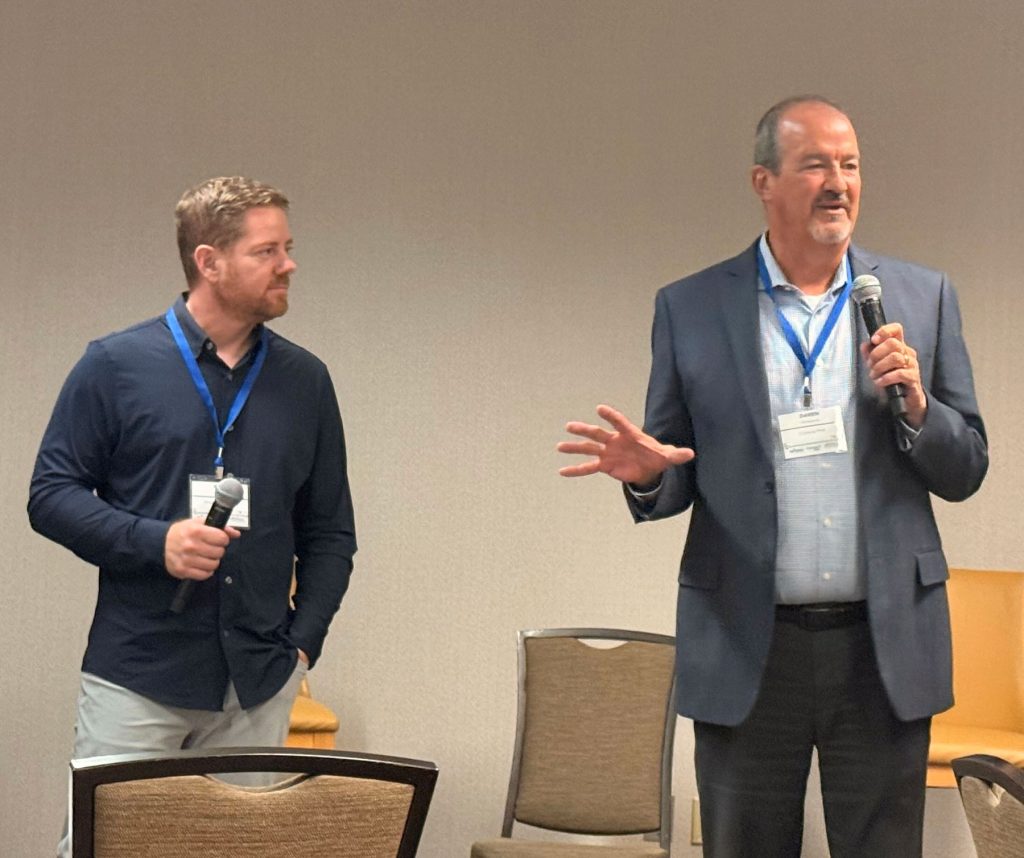
“We have different audiences and can reach more people,” Lewis said. “We just have to start with something we agree on.”
The California Agricultural Communicators Coalition meeting was co-hosted by Agri-Pulse, Western Ag Growers and Curious Plot. The idea was to bring ag communicators together to network and exchange ideas on how we can better tell the story of California agriculture. In the end, we did more listening than talking.
It was a good reminder that all good communication starts with listening.
Daren Williams is a senior vice president at Curious Plot, where he leads the public relations and reputation management team. Based in Modesto, Calif., he specializes connecting consumers with farmers and ranchers based on shared values.